



Players have long noticed that excitement lasts longer where the outcome is unpredictable. This is especially noticeable in online entertainment, where rewards depend on how the winning process itself is arranged. In the case of sweeps slots, the difference between random and predictable schemes is immediately felt: the former evoke more emotions and draw you in deeper, while the latter quickly become boring.
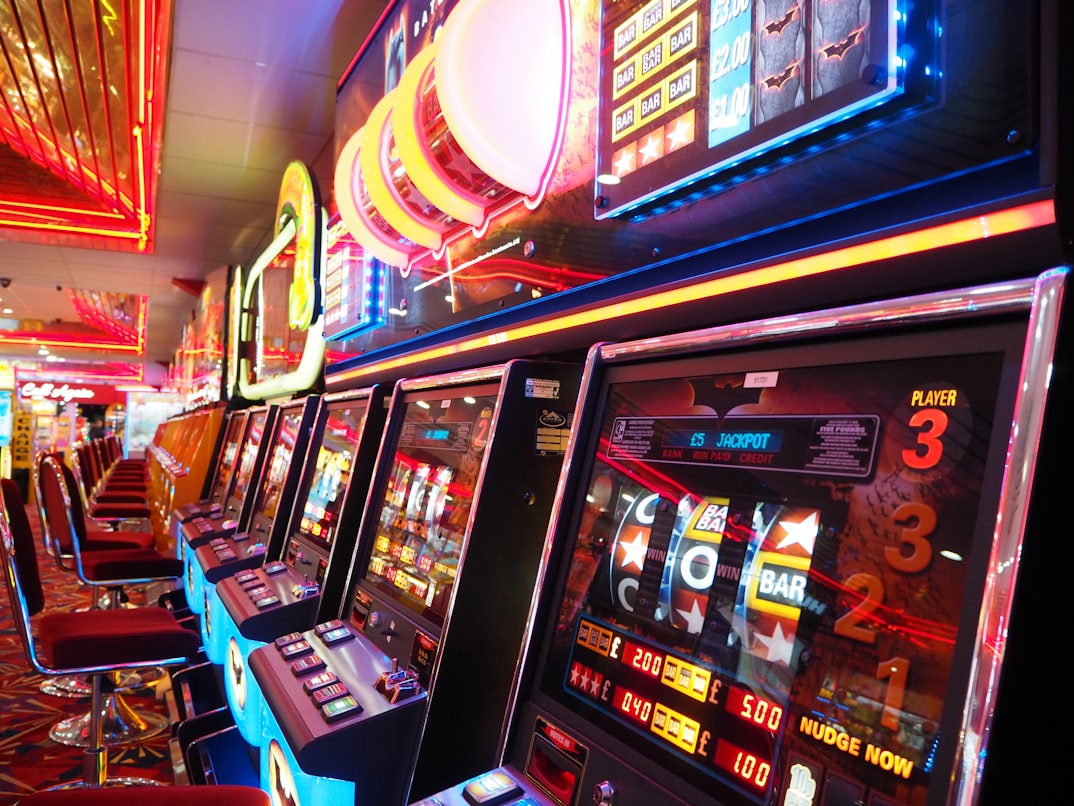
Why randomness works better
Predictable rewards give a sense of stability, but with it comes boredom. A person quickly understands the scheme and stops feeling excitement. Random rewards, on the contrary, are catchy: the brain reacts to surprise with a release of dopamine, and each new spin seems like a chance to catch something special.
There are several reasons why random reward schedules hold interest:
The brain receives a “dopamine surge” not at the moment of winning, but in anticipation. The less predictable the outcome, the stronger the emotional reaction.
Unpredictability gives a feeling that “next time might be lucky.” The player presses the button again and again to test the hypothesis.
Repeating the same results quickly causes fatigue. Random patterns break the habit and throw up unexpected combinations.
The feeling of control remains: the player understands that the decision to continue is his, but the ending is not subject to calculation.
This effect works both in gambling and in everyday life. Any surprise causes stronger emotions than a predetermined outcome.
The difference between a predictable and a random schedule
Predictable rewards resemble a bus schedule: clear, but without interest. Random ones are more like a gift that no one expected. The main differences are as follows:
Predictability. The player knows that every tenth spin will give a win. At first, this pleases, but then it turns into a routine.
Randomness. The reward can appear at least three times in a row, or it can be delayed. This format constantly holds attention.
Effect on emotions. Regular patterns create calm but do not cause adrenaline. Random ones hit the excitement and cause a surge of interest.
Player retention. Predictability repels; randomness makes you come back again and again.
As a result, it becomes obvious: for gambling, the value is not in stability, but in unpredictability.
How the psychology of expectation works
Psychologists call this a variable reinforcement schedule. It is used not only in games but also in social networks, where likes come unevenly, and this makes you check the screen more often. Examples of effects that occur with random rewards:
The feeling of “almost won.” Even a combination that did not bring the jackpot but was close motivates you to continue.
The “one more time” effect. The player promises to finish, but unpredictability makes the system give another chance.
Increased involvement. Time flies by unnoticed, because the anticipation of the next win is stronger than the desire to stop.
All these mechanisms make random schedules more powerful than any predictable ones.
Why it is randomness that keeps the excitement in sweeps slots
The secret is that predictability kills the excitement, and randomness maintains it. The player is more interested in the moment when it can happen than the win itself. Even a small reward that came unexpectedly causes more emotions than a large but expected win.
In sweeps slots, a variable reward schedule is built into the basis of the process. It is impossible to predict when a bonus or a rare combination will appear. It is this uncertainty that makes the process interesting and prevents you from losing motivation.
The excitement is based not on guaranteed results, but on a constant feeling that anything can happen in the next spin. Therefore, random schemes always win over predictable ones: they do not let the player get bored and make each launch a unique experience.


