

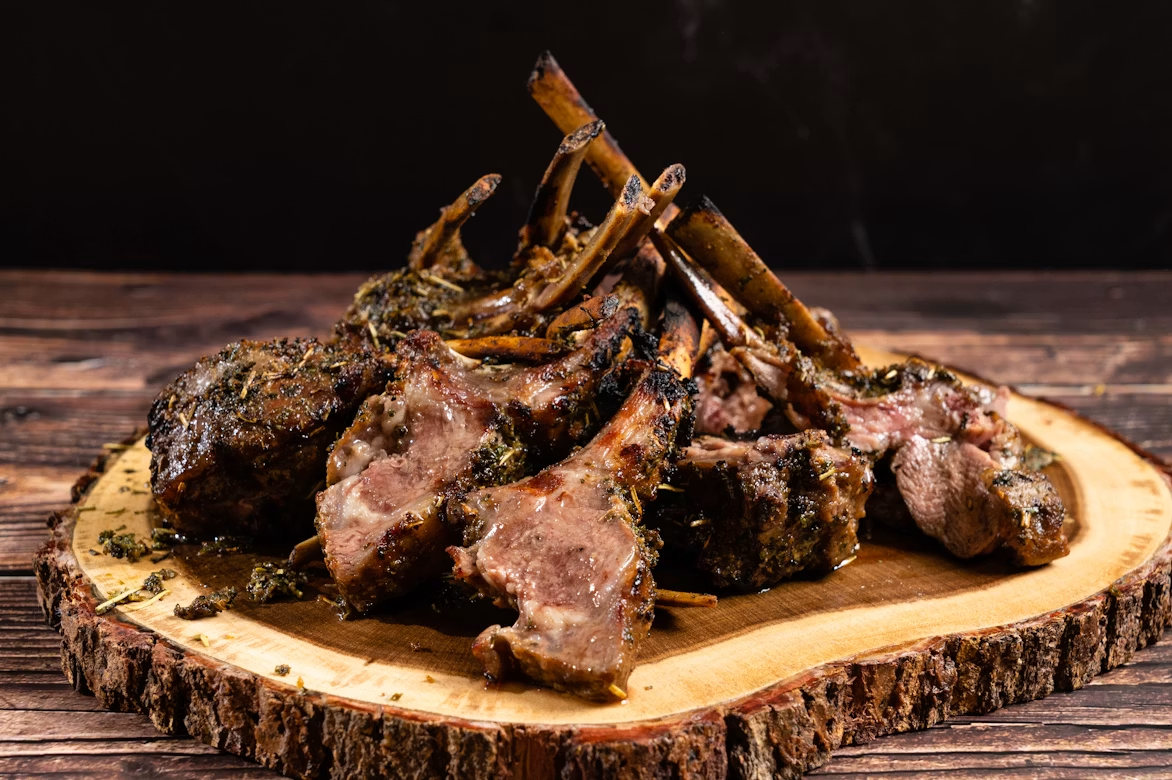

Lamb can feel equally at home in a quick midweek dinner and at the centre of a carefully planned celebration. Its versatility comes from the range of available cuts, the variety of cooking methods it supports, and its ability to pair with both simple and sophisticated flavours. You can adapt lamb to suit your available time, budget and number of guests without losing its distinctive character.
Different Cuts Suit Different Types of Meals
The cut you choose can determine whether lamb becomes a convenient everyday meal or an impressive centrepiece. Mince, loin chops and leg steaks cook relatively quickly, making them practical for burgers, pasta dishes, stir-fries and simple pan-cooked dinners. Larger cuts, including a whole leg or shoulder, naturally suit occasions when you have more time to prepare and serve a shared meal.
This range also gives you the freedom to begin with the occasion rather than a fixed recipe. Resources like Australian lamb cooking inspiration for every occasion can help you match an appropriate cut and cooking method to anything from a casual family dinner to a festive gathering. Understanding the purpose of each cut makes meal planning more reliable and reduces the risk of using an unsuitable technique.
Lamb Adapts to Quick and Slow Cooking
Few meats perform well across such a broad range of cooking times. Lamb chops can be grilled or pan-fried in minutes, while mince can form the basis of a fast kofta, curry or shepherd’s pie. These options make lamb accessible when you need dinner on the table without lengthy preparation.
Shoulder, shanks and other hard-working cuts respond particularly well to braising, a method that combines gentle heat with liquid over an extended period. Slow cooking breaks down connective tissue, producing tender meat and a rich sauce. Meanwhile, roasting a leg offers a practical middle ground: preparation can be brief even though the oven handles the longer cooking time.
The Flavour Works Across Many Cuisines
Lamb has enough natural flavour to remain distinctive when seasoned simply with salt, pepper and herbs. That makes it suitable for informal meals where you want a short ingredient list and uncomplicated preparation. Rosemary, garlic, lemon and mint are familiar partners that can add freshness without overwhelming the meat.
Its character also allows it to carry stronger spice combinations. Cumin, coriander, paprika, sumac and chilli can take lamb towards Middle Eastern, Mediterranean, North African or South Asian cooking. You can therefore change the style and formality of a lamb dish through seasoning rather than complicated techniques. The same basic cut might become casual skewers one day and a richly spiced roast for guests on another.
It Can Be Served Individually or Shared
Portioning plays an important role in how a meal feels. Individual lamb chops, steaks, burgers and flatbreads are easy to serve during relaxed dinners because each person receives a defined portion. They also work well when cooking for a small household, as you can prepare only what you need.
Large roasted or slow-cooked cuts encourage a different dining experience. Placing a leg or shoulder in the middle of the table creates a natural focal point and allows guests to share accompaniments.
Simple Sides Can Change the Occasion
Lamb does not require elaborate accompaniments to make a complete meal. For an ordinary evening, you might serve chops with salad, roasted vegetables or warm flatbreads. Mince can be combined with pantry staples such as rice, pasta, tinned tomatoes or pulses, keeping the meal practical and familiar.
For a special occasion, the same meat can be elevated through more considered sides and presentation. Seasonal vegetables, layered potato dishes, grain salads or a carefully balanced sauce can make the plate feel more refined. This flexibility means you can control the complexity of the meal through its accompaniments while keeping lamb as a dependable foundation.
One Ingredient for Many Occasions
Lamb works for casual and special meals because it does not belong to only one style of cooking. Quick-cooking cuts support convenient dinners, while larger cuts reward slower preparation and shared serving. Combined with its compatibility with diverse flavours and side dishes, that range allows you to create a meal that feels appropriate for the occasion without making the cooking unnecessarily complicated.


