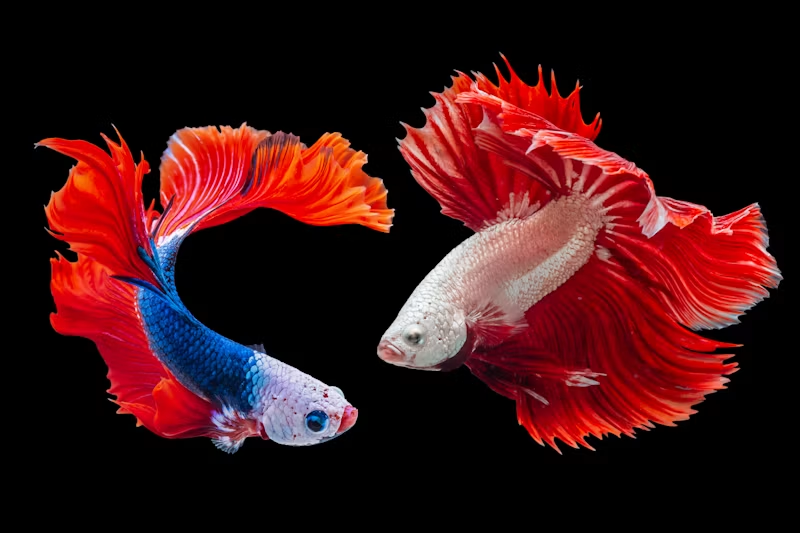
The stunning female Koi Betta collection offers a kaleidoscope of colours and patterns for aquarists and hobbyists. These fish often feature intricate combinations of red, orange, white, black, and sometimes blue. Female Bettas bring striking colour and visual diversity to almost any suitable aquarium. Their patterns often resemble ornamental koi, which explains their distinctive name. These living canvases can develop unique markings that make each fish stand out.
Characteristics of Female Koi Betta Fish
Female Koi Bettas have a labyrinth organ that allows them to breathe atmospheric air. This adaptation helps them survive in various aquatic environments when they can reach the water’s surface. Female Koi Bettas can show territorial behaviour, although individual temperaments vary considerably. Some females tolerate suitable tank mates, while others may act aggressively. Their smaller size and shorter fins do not diminish their appearance. Graceful movements and vibrant colours can create a mesmerising aquarium display.
Male Bettas often receive attention for their elaborate fins, while female Koi Bettas offer a more subtle elegance. Their fins may be shorter, but they can still display rich colours and intricate patterns. These characteristics appeal to aquarists seeking a dynamic addition to their aquatic setup. However, owners should monitor each fish carefully because temperaments can vary. Behaviour may also change during spawning or while establishing a hierarchy within a group.
Requirements for a Healthy Habitat
A healthy habitat for female Koi Bettas requires clean water, adequate space, and carefully selected tank mates. Water quality remains essential because poor conditions can contribute to health problems. Perform regular water changes and maintain appropriate filtration. Owners should also keep the water temperature between 24°C and 30°C.
Aquariums should include plants and hiding places that create a comfortable and stimulating environment. Some experienced aquarists keep female Bettas together in groups called sororities. However, aggression and territorial behaviour can make sororities challenging. Successful groups require careful planning, adequate space, numerous hiding areas, and close monitoring. Introducing females simultaneously may help limit established territorial disputes. Potential tank mates include peaceful species such as snails or certain tetras. Owners should still approach these combinations carefully and monitor interactions regularly.
Breeding and Genetics
Breeding female Koi Betta collection requires a foundational understanding of their genetics. The marble gene influences the distinctive colouring found in many Koi Bettas. This gene can cause their colours and patterns to change throughout their lives. As a result, an individual fish may look considerably different as it matures. These ongoing changes can create continually evolving patterns that add to their visual appeal.
Breeding female Koi Bettas can be rewarding, but the process requires patience and careful attention. Breeders should condition males and females with a high-protein diet before breeding. A receptive female may develop vertical stripes that indicate breeding readiness. After fertilisation, the male typically places the eggs within a bubble nest and guards them. Breeders should remove the female afterward to reduce the risk of stress or injury.
Raising fry requires stable conditions and careful attention to their developing bodies. Young fish can be particularly sensitive to poor environmental conditions. Breeders must also maintain an appropriate feeding schedule. Inadequate or inconsistent feeding can affect healthy development and colouration.
Diet and Feeding Habits
Diet plays an important role in the health and vibrancy of female Koi Bettas. Wild Bettas primarily eat insects and larvae. Captive Bettas can eat high-quality Betta pellets alongside appropriate live or frozen foods. Common options include brine shrimp, bloodworms, and daphnia. Owners should avoid overfeeding because excess food can contribute to obesity and declining water quality. A varied diet can support overall health while helping maintain natural colouration.
Owners should provide small portions and avoid leaving uneaten food inside the aquarium. Leftover food can decompose and reduce water quality. Well-fed Bettas often display vibrant colours and noticeable patterns. These characteristics contribute to the dynamic appearance that makes Koi Bettas popular.
Integrating Female Koi Betta Fish Into Your Collection
Adding female Koi Betta Fish to an aquarium can provide a rewarding experience for many aquarists. These fish can display distinct personalities and interact with their surroundings and caretakers. Their active behaviour and colourful appearance make them natural focal points. Both new and experienced aquarists can appreciate their distinctive characteristics.
Owners should quarantine new female Koi Bettas before adding them to an established aquarium. Quarantine can reduce the risk of introducing disease to existing fish. Owners should also manage introductions carefully, especially when adding fish to a sorority. Watch their behaviour closely during the first several weeks. Regular observation can help identify aggression, stress, or compatibility problems with other aquarium inhabitants.
Conclusion
The female Koi Betta collection highlights the remarkable diversity and beauty found throughout the aquatic world. Proper care can help these fish thrive while providing lasting visual appeal. Their colourful patterns and distinctive personalities make them fascinating aquarium inhabitants. Female Koi Bettas create a rich display of colours and markings. With suitable care, they can transform an aquarium into a vibrant living showcase.