


When you think of Roblox what do you think of? Is it black and white and either just bad or great to play? I would suppose it’s based on how much/long your kids play. I know that some games are marketed as a good teaching tool. Like ABC Mouse or Khan Academy. Then there are ones that you pay for like Night Zookeeper or Adventure Academy. I’ve actually tried all four of these and while they do teach your kids basics like math and writing, they won’t teach them actual job skills.
Usually each segment is one and done and focuses on education rather than real life skills. You don’t think about how best to do anything you just do it and you’re finished. But Roblox, I’m finding not only keeps kids engaged but some of the games teach everyday job skills and how to build. Like time management, delegating and also order of operations. I’ll explain a little bit about each of the games I like down below.
Animal Hospital – Intake and Administrative Workflows, Quality Control and Crisis Management

Intake and Administrative Workflows
In the front desk area of Animal Hospital it operates exactly like a high-volume client intake department. Players working reception must manage data entry and gatekeeping under heavy time constraints. They need to pay attention to details and make sure they check all of the intake requirements and make sure that no anomalies make it through. Intake usually goes paperwork, security cameras, photograph, computer, printer, badge distribution. In while doing all of that you recognize any differences in the security footage or the photograph doesn’t match then you need to turn them away. This is your first defense against letting good patients in and keeping troublesome ones out.
Extreme Attention to Detail (Quality Control)
Because the game punishes minor mistakes with immediate operational failure, players are forced to develop an eagle-eye view of their surroundings and tasks. In some of the diagnosis and lab departments you must use pattern recognition to run an analysis. Room 6 is a color pattern. Room 7 is like whack a mole where you have to only push the good symbols to ensure that open heart surgery goes well. And room 8 I won’t do because it’s too stressful. This is where the sign in the back flashes images of what you need to perform an operation. All of these tests focus on hand eye coordination while also forcing kids to follow orders correctly. Brain function and the ability to pay attention is great exercise for kids with attention deficit disorder.
It also teaches that failure to operate efficiently and providing the wrong solution will lead to an immediate consequence. Like imminent death of a patient. Which then leads to having a ghost in the hall which is not fun. I mean this likely won’t happen in a real hospital situation but it is a horror game so there are some things sprinkled in like that.
Crisis Management (Managerial Skills)

This is what first caught my attention and gave me the idea for this article. Some kids will naturally take this role on and my daughter was the one in her friend group to do it. In some situations you need to delegate and call out emergencies while also sending players in certain rooms to manage them. Managerial skills in this game center around high-pressure resource allocation, team safety, and workflow maintenance during structural breakdowns.
When the ambulance comes you need to work with another player, one player will call out what ears they have and if they don’t match you have to shoot them so they don’t infiltrate the building. This also has a handful of emergency patients that are on a timer. These are called critical patients, so just like working in a real hospital you have to decide which patients get treated first. The leader will call out which rooms need attention and the workers, usually your friend group will either call out what room they are getting or the manager will assign them a room.
Really this game is labeled a horror game but even though there are some scary elements it’s really about teamwork and pattern recognition, which is why my 12 yr old and 6 yr old can play together. You can read my full review of the game here.
Work at a Pizza Place – Supply Chain Coordination, Professional Soft Skills, Leadership Experience

Supply Chain Coordination
Work at a Pizza Place teaches many things but one of the most important things is Interdependence. Cashiers, cooks, boxers, and delivery drivers must work in a sequence. If one person stops, the entire business halts. In order to work together you need everyone to do their job and do it correctly. Kids learn to see where orders are piling up and naturally pivot to that department.
Professional Soft Skills
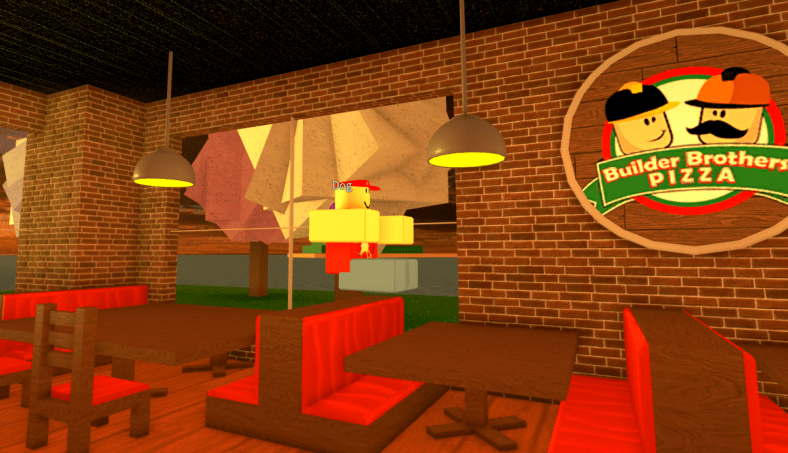
Sometimes you don’t have enough IRL friends to play so you need to learn to work with strangers, just like in real life. It does make it harder thought when chat is in abled which is the case for many kids now since they require facial recognition for Roblox players. Anyway when you’re paired up with others you work toward a shared goal of keeping the supply line going and completing customer orders correctly so that no one complains. Shifts change fast which forces players to switch roles based on the businesses current needs which teaches kids adaptability in the everyday workplace.
Leadership Experience
The manager role is the player that was voted to oversee the entire restaurant operation. The manager can hand out bonuses to boost morale and productivity. They are also able to utilize conflict resolution to send disruptive workers to “Banish Island” which helps keep the kitchen running smoothly. Honestly I wish some jobs actually did have a banish island because it would have made my life a lot easier.
Ice Cream Game – Inventory & Supply Management, Quality Control & Efficiency, Formal Corporate Hierarchy
Inventory and Supply Management
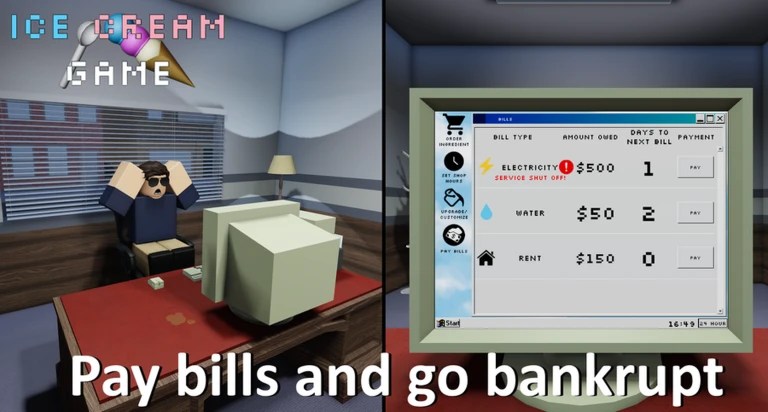
In the Ice Cream Game you learn that Restocking things and maintain freezer inventory. When a flavor like vanilla or chocolate runs low they have to physically fetch crates from the freezer room to restock the display case. This is basically like working at a Baskin Robins. Not only are they keeping an eye on that but players also have to monitor Cost Controls. Kids must manage utility costs and turn off certain things like water and some electricity. If you don’t you’ll see your profit margin suffer. This teaches them how to manage over head expenses, and yes if they overspend bills are sent to them with cost analysis.

Quality Control and Efficiency
Kids have to follow Strict Recipe Fulfillment. Players mix specific scoops (e.g., strawberry and mint) with toppings and blenders to fulfill exact orders. If a player misreads a customer’s order and builds the wrong sundae, they must throw it in the trash bin and start over. This teaches the direct business consequence of error: wasted time and materials.
Along with all of that Hygiene and Maintenance also play a role. Players must wash scooper tools and sponges in water when they get dirty to maintain high store reviews. Otherwise the store gets straight up disgusting.
Formal Corporate Hierarchy

What you wouldn’t expect is that kids learn about the Job Application Process. Many large Roblox ice cream groups require kids to visit a separate “Application Center”. To get a job, they must pass a text-based interview quiz testing them on customer service etiquette and how to handle disruptive “troll” customers. This is much like the employee training that is required in all customer service positions.
The also employ a Staff Ranking Systems. Players can earn points for successfully serving customers. Amassing points allows them to climb a leaderboard and rank up within the virtual business hierarchy.
Burger Game – Active Risk Management, Overhead Costs, and High-Volume Assembly Line Workflow
Overhead and Financial Survival
Avoiding Bankruptcy is the main goal of any real business. Burger Game operate on a daily timer. Kids start with a small budget and must earn enough by the end of the day to pay the restaurant’s operational bills or face bankruptcy. It you’re playing with your kids with any of these games there are many teachable moments you could have conversations about. And being able to relate it to game mechanics helps a lot.
Within the game kids also learn about Fixed vs. Variable Costs. Kids learn that every unserved customer or burned meat patty reduces their slim profit margins, forcing them to balance fast service with strict resource tracking..
Multi-Tasking and Active Risk Management
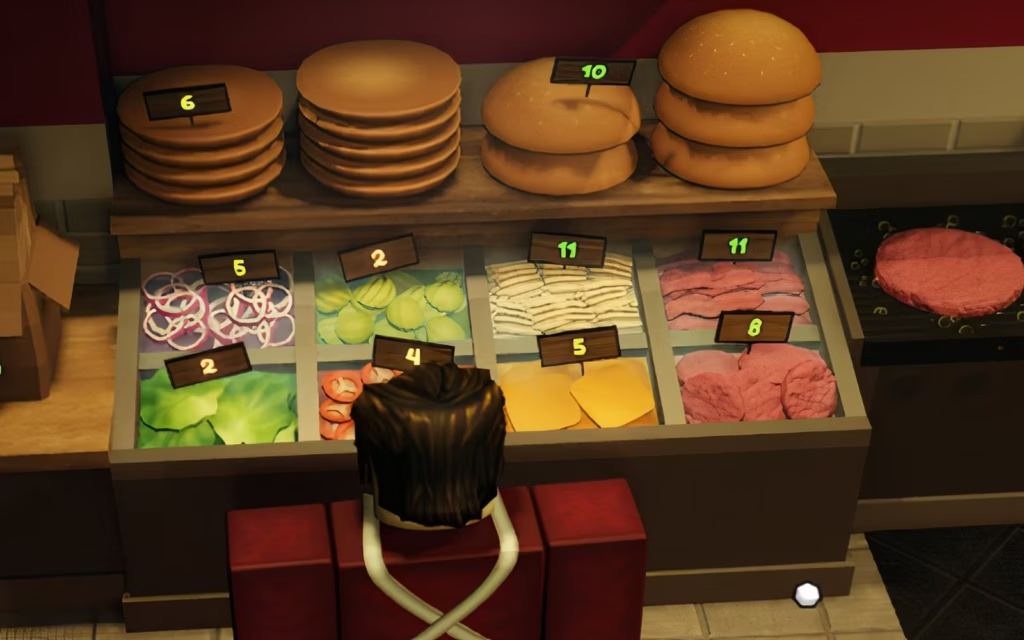
What I like about this game is that there are real life things in place like Perishable Management. Burger patties on a grill will overcook and spoil if left unattended. Players must multitask! Flipping patties while deep-frying fries and assembling buns. A lot like McDonald’s but this game has the advantage that if you play with the sound down you don’t’ have to hear all of the sounds. Unlike real fast food places that have those annoying Timers going off every time something finishes cooking.
Crisis Management is also taught in the game. The cooking process is prone to sudden bottlenecks (e.g., running out of sliced tomatoes mid-rush, kitchen fires, or a sudden busload of hungry customers arriving at once). This requires immediate prioritization and team reallocation. If you do it right you get points, if you do it wrong it could throw the entire restaurant into disrepair.
On top of that you need to make sure that the customers leave happy. Burger assembly requires strict vertical stacking logic (e.g., bottom bun, patty, cheese, lettuce, tomato, top bun). If items are misaligned or a layer is missed, the customer rejects the order, causing material waste.
Final Thoughts
A lot of these teach kids to work in the service industry but since a lot of jobs including retail and customer service utilize these skills they are very important to learn. If the customer isn’t happy with your work it effects your job and your pay. Many people would have to learn these skills on the job but since you’re learning them in game you know exactly what not to do. And when you think about all the experience you’re getting it’s stuff that you do have to know. What I like is that these games also teach critical thinking and problem solving which is another thing that you don’t get experience in unless you’re on the job.
You know, I’ve worked in places where people were absolutely clueless about not only working but finding things to do while you’re not working. Cleaning up and otherwise. Customer satisfaction was a big thing and learning how to interact with lets say parents while working at a nursery are very important things.
As much as we try to teach our kids things like this at home with chores and tasks a lot of kids push back because your mom and dad. Something disconnects because you’re not actually paying them, and if you do you’re likely to buy things they want anyway. You’re caring for them whether or not they do their chores. You’re not their boss where their job is on the line. And if they can get these skills while playing games I think that’s a good thing. Roblox is home to many games but it’s the ones like these I think kids get the most out of. And the fact that Roblox is mostly free and you can ignore the prompts and bonus features by just clicking out of them or ignoring them altogether.


