



Bringing a portable power station on a road trip makes travel easier, safer, and more flexible. It gives you reliable power for phones, navigation devices, cameras, laptops, mini coolers, and other gear without depending entirely on gas stations, campgrounds, or hotel outlets. That extra power becomes especially valuable during long drives, overnight stops, and remote detours where electricity is limited. Whether you are camping, working from the road, or preparing for delays, a portable power station helps you stay connected, comfortable, and ready for the unexpected throughout the entire journey.
How Portable Power Stations Improve Road Trip Convenience?
Keep Essential Devices Charged While Traveling
Road trips rely on powered devices more than many travelers expect. Phones handle navigation, music, messaging, and emergency calls. Tablets keep passengers entertained, while cameras, drones, and laptops support trip planning, content capture, or remote work. A portable power station lets you charge several devices at once without fighting over limited car USB ports. It also reduces the need to idle your vehicle just to keep electronics running. That can be useful during meal stops, scenic breaks, or overnight parking. Instead of constantly searching for wall outlets, you can keep your key devices ready to use, maintain battery health, and travel with fewer interruptions from low-power warnings and dead screens.
Power Outdoor Gear and Travel Equipment Easily
A portable power station does more than charge personal electronics. It can support practical travel equipment such as electric coolers, portable fans, lights, air pumps, coffee makers, and small cooking devices, making roadside breaks and campsite setups far more comfortable. This added flexibility helps travelers spend more time outdoors without sacrificing basic convenience. For example, the Anker SOLIX C2000 Gen 2 Portable Power Station offers up to 4kWh expandable capacity, which suits longer trips or gear-heavy travel. It also provides six ways to recharge and supports fast AC and solar input, reaching 80% in 45 minutes and 100% in 58 minutes. That combination helps keep road trip equipment powered with less downtime.
Practical Road Trip Situations Where Portable Power Helps
Supporting Camping, Remote Stops, and Off-Grid Adventures
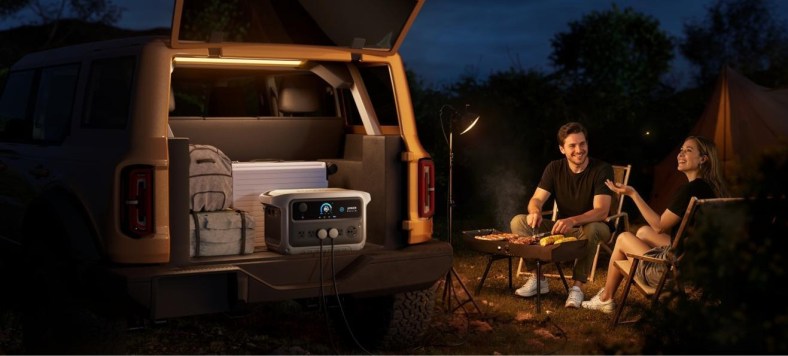
Portable power stations are especially useful when your road trip includes campgrounds, trailheads, beach parking, national parks, or other remote stops. In places where outlets are unavailable, stored power lets you run lights after sunset, keep a cooler operating, charge headlamps, and top up communication devices before the next leg of the trip. That support can make off-grid travel more comfortable and better organized. It also allows you to stay out longer without cutting activities short to find electricity. For travelers who enjoy dispersed camping or scenic overnight stops, a portable power station creates a more self-sufficient setup and reduces dependence on crowded facilities or fixed infrastructure nearby.

Preparing for Delays and Unexpected Power Needs
Road trips do not always follow the plan. Traffic jams, severe weather, flat tires, road closures, or extended waits at repair shops can quickly turn a normal drive into a long delay. During those moments, a portable power station provides backup power for phones, emergency lights, battery-powered medical devices, and other essentials that help you stay informed and safe. It can also keep passengers more comfortable by powering fans or small accessories while you wait. If you travel with children, pets, or work equipment, having reserve power becomes even more valuable. Instead of treating power as an afterthought, you build in a practical layer of preparedness for real travel disruptions.
What to Consider Before Taking a Portable Power Station on the Road?
Choosing Capacity, Output, and Portability for Travel Needs
Before taking a portable power station on a road trip, match the unit to how you actually travel. Capacity affects how long it can run your devices, while output determines what it can power at one time. A short weekend drive may only require enough energy for phones, lights, and a small cooler, but longer trips often demand more headroom. You should also consider weight, size, and how easily the unit fits in your vehicle alongside luggage and gear. Check the number and type of ports you need as well. Choosing the right balance of capacity, power, and portability helps avoid overpacking while still giving you useful backup throughout the trip.
Planning Charging Options for Longer Journeys
Charging strategy matters as much as battery size, especially on multi-day road trips. Before leaving, think about where and how you will recharge the power station during the journey. Useful options can include home charging before departure, vehicle charging while driving, campground hookups, hotel outlets, or solar charging during daytime stops. Planning these opportunities helps you maintain power without scrambling at the last minute. It also prevents you from draining the unit too early in the trip. If your route includes remote areas, build charging windows into your schedule and prioritize essential devices first. A simple recharge plan makes portable power far more effective and dependable over long distances.
Conclusion
Bringing a portable power station on a road trip is a smart move for most travelers. It adds convenience for everyday charging, supports outdoor equipment, and provides valuable backup during delays or emergencies. That combination makes your trip more comfortable and more resilient, especially when your route includes camping, remote stops, or long hours on the road. By choosing the right capacity, checking outputs, and planning how you will recharge along the way, you can get consistent value from the unit. For road trips that involve both freedom and uncertainty, portable power is one of the most practical travel companions you can pack.


