



June 16, 2025
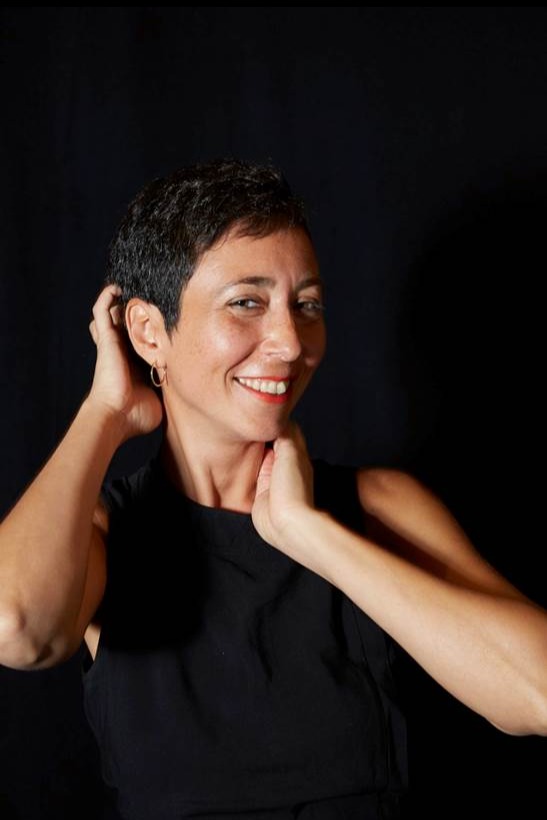
By the time June 1 rolled around, HaEzor in Tel Aviv was already packed, even before the lights went down. People recognized each other and waved from across the room. Musicians, longtime friends, and fans settled in together inside one of Israel’s most beloved spots for original music. Sure, it was Shani Shavit’s birthday, but honestly, the buzz in the room was all about the music.
The moment Shani Shavit and her band stepped onto the stage, the crowd let loose with applause, no one even waited for the first note. That kind of warmth doesn’t show up because of hype or advertising; it comes from years of history. Right from the start, you could feel this night wasn’t just another gig for the group. It felt like coming home to a place that had seen Shani Shavit through almost every chapter of her career.
For years, Shani Shavit has been a fixture at HaEzor. She’s played there with all kinds of Israeli artists and bands that make the local music scene so lively. Slowly, the venue grew into much more than just a club. Musicians return again and again, not just drawn by the space or the audience, but because they honestly feel connected to the tight-knit community around it.
That long relationship brought an easy, relaxed feeling to the evening. Nothing about the show felt like the performer needed to prove anything. Instead, the music came across with the confidence of something already comfortable on stage. Playing in places like Jerusalem’s Yellow Submarine, Tel Aviv’s Enav Center, and Levontin 7 let the setlist grow and change on its own, while the group kept sharpening the kind of unspoken communication you only get from spending real time together in front of an audience.
For over twenty years, Shani Shavit has built a career that’s anything but typical. She’s a bassist, singer, composer, arranger, producer, and musical director. She’s worked with artists like Ester Rada, Miki Gavrielov, Sagiv Cohen, Odeleya Berlin, and Haivriot, earning a reputation as one of Israel’s most respected freelance musicians, valued just as much for her taste and musical instincts as her playing. Her work has brought her to major festivals, big concert halls, and national TV productions both in Israel and abroad, and her role often goes beyond just performing, she’s also arranging, producing, and helping to shape the artistic vision of nearly every project she’s part of.
When columnist Ben Shalev from Haaretz reviewed Ester Rada’s set at the Haifa Beer Festival, he said the smaller band delivered “a sound more refined and dense than Rada’s usual sound” and singled out “the wonderful bass of Shani Shavit” as its driving engine, a rare bit of praise for a bassist’s influence on a group’s whole musical character.
Great credentials only get you so far, they don’t explain why a concert really lands.
That became obvious right away.
Shani Shavit has spent years building a truly collaborative way of making music, whether she’s laying down bass lines on stage or shaping entire concerts as an arranger and producer. You could feel that spirit all night. This wasn’t a band backing up a star. Every musician actually shaped the show’s emotional core. Ron Almog’s steady drumming kept things grounded without ever showboating. Guy Strier’s guitar could flicker between gentle shading and sudden bursts of energy. Adi Rennert’s keyboards opened up the whole sound, adding elegance and depth. Yakir Sasson and Yaron Ouzana layered in warmth and texture, trading off on saxophone, flute, and trombone, always finding the perfect moment to step in.
Nobody tried to steal the spotlight. Instead, each person played their part in making the music so much bigger than any one voice.
That sense of connection got even stronger when Sagiv Cohen and Salit Lahav, musicians who’ve played with Shavit for years, joined in. Their moments on stage didn’t feel like flashy guest appearances. It felt like old friends adding their voices, naturally. “Basar VaDam” started out as a close, rumba-style tune, then slowly built into a hypnotic Afrobeat groove. Cohen stayed for “Shamayim Kmo Hultza,” where his warm vocals blended with Shavit’s, while Lahav switched from accordion to flute, joining Sasson to weave those beautiful flute lines from the original song. Nothing in the arrangement felt forced or showy. Everything just served the music.
If any song really summed up the night, it had to be Loving Man.
From the very start, you could hear that New Orleans 6/8 blues vibe, unmistakable and relaxed. The whole thing unfolded slowly, with real patience. There was no rush to hook you or force anything dramatic. Instead, the music just drew everyone in, letting the feeling build, bit by bit, with its deep groove and subtle shifts in energy. Ron Almog’s drumming kept it all anchored, steady, laid-back, but so alive you couldn’t miss it.
The best part hit when the rhythm section just locked in together, tight as you could ask for. That set the stage for Yakir Sasson’s sax solo. And he didn’t go off on some showy tangent; his playing flowed right out of the band’s sound. There was this perfect mix of rawness and grace, and somehow, he brought everyone back to the final chorus without missing a beat. Honestly, it was the kind of moment that sticks with you, even after the clapping dies down.
Watching the audience was its own thing, too. People at HaEzor really listen, they trust original music and let it take them places. That openness was all over the room. No one rushed to applaud during the quiet stretches; the crowd just let the silence settle, and then the applause felt honest. It made you feel like everyone, musicians and listeners, was creating the night together.

Shani Shavit on stage. Photo: Lena Filler.
If Loving Man showed how the band controls space and dynamics, Bli Tnai uncovered something just as intriguing about Shani Shavit’s songwriting.
It’s a new song, but you can tell it grew up listening to classic Israeli rock. Still, it never falls into nostalgia or outright imitation. You pick up on little hints and shadows of the songwriters who shaped that tradition, but Shavit weaves those influences into something fresh instead of quoting them. That’s the trick, she strikes a balance. Bli Tnai feels familiar, like coming home, but lives in the present with harmonies, phrasing, and emotional honesty that feel modern and sharp. Instead of looking back, the song pushes the tradition forward and owns it.
And then, the evening arrived at its emotional peak with From the River to the Lake.
Shavit passed her bass to Guy Strier and grabbed a nylon-string guitar, and somehow, the energy on stage shifted. The music opened up, broader, roomier, but still close and warm. Salit Lahav and Yakir Sasson stood together on flutes, recreating those intertwined lines from the original, as gentle synths echoed little pieces of the main melody.
It all felt alive. The arrangement just breathed, holding melody, texture, and silence in a delicate tension until the closing mantra finally surfaced.
“I know the time. I know the space. Everything is falling into place.”
The words hung in the air, not so much ending the song as letting it drift into stillness. Nobody rushed to clap. For a second, the room just stayed silent, everyone sharing the moment, before finally standing as one for a long ovation.
Right before the last song, Shavit stepped to the mic, not to announce the next tune, but to talk about the room itself. She thanked HaEzor for being a real home. Not just for her, but for original music in general, and for the beautiful community of musicians and listeners who keep coming back.
Those words carried weight. Shavit didn’t just show up with her own songs one day, she’d already spent years on this stage, playing with other artists who shape Israel’s independent music scene. So coming back with her own material wasn’t really about “making it”; it just felt like the next chapter in a story that’s been going on for years.
Maybe that’s why the evening felt so right.
There were no distractions. No flashy effects, no long speeches, no big gestures just for show. The songs spoke for themselves, and the musicians trusted each other, and the material, to carry the night.
You could tell. The band really listened to one another. Guest musicians came on and off stage with ease. Each song had its own space to grow, without anyone rushing or forcing things.
Even when the show ended and the house lights came up, hardly anyone wanted to leave. People fell back into conversation, musicians hugged, some audience members hung around, and the stage emptied out slowly.
Some venues just put on concerts. Others become part of the artist’s life. HaEzor, for Shani Shavit, is firmly the latter. And from how warm everyone felt on June 1, it’s clear that feeling goes both ways.


